
Blog
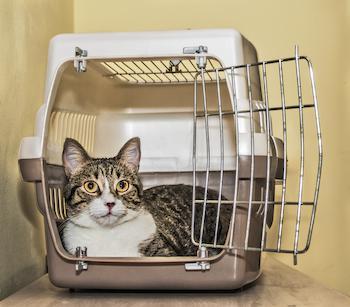 Family pets used to be divided like any other property in an Illinois divorce. However, about eight years ago, changes were made to the law that now require courts to consider what is in the animal’s best interests when deciding who gets to keep them.
This doesn’t mean that pets are treated the same way as children are in divorce. It does, however, add more nuance to deciding which spouse gets to keep the pet than previous Illinois property division laws. This can even include joint ownership of the pet.
If you’re concerned that your 2026 divorce might involve contested pet ownership, a Batavia, IL property division lawyer can help you build a case that you have a claim to your animal.
"Companion animals," as pets are referred to in the law, can be subject to division if they are considered marital property. Marital property is typically whatever the couple acquired during the course of their marriage. If you brought a pet into the marriage that you previously owned, it will likely not be subject to division. The same is true if one person receives it as a gift or inheritance.
A pet that is considered a marital asset will have sole or joint custody allocated by the court. The court must consider the well-being of the pet when making its allocation (750 ILCS 5/503(n)). This might include:
Who has a more appropriate space to house the pet
Who has more time to care for the pet
Who has previously performed daily maintenance for the pet, i.e., walking a dog
Whether any children in the relationship are bonded to the pet
Service animals are not considered pets by Illinois law and are excluded from the rules of division.
Joint ownership can include a schedule for when the pet will reside at each spouse’s house. It may also include an agreement on how costs will be split. Many courts prefer assigning the pet to a single owner to avoid future disputes.
Spouses are allowed to come up with their own agreement about how the pet will be shared between them. This is actually encouraged by courts in lieu of a judge making an assignment regarding pets.
Illinois law specifically allows couples to enter a written agreement allocating ownership of and responsibility for a companion animal. An agreement can spell out who the pet lives with, how any shared time works, and who pays for food, vet bills, and other costs. Putting it in writing makes the terms clear for both parties.
If you do negotiate your own arrangement, it helps to be specific. Vague promises about "sharing" the dog easily become points of contention later.
Utilizing written records is often the best way to prove that you have a stronger bond with or are more fit to keep the animal. The following steps can help:
Keep proof of ownership, like adoption papers that you signed, registration, or receipts.
Save vet or grooming records, especially those in your name.
Record your caretaking schedule for the pet if you provide the primary care on a daily basis.
Also, consider whether your home will truly be suitable for the pet. If you believe your home will be a good fit, make sure the court is aware of it. Showing that you can provide a stable, caring home will strengthen your case.
Pet custody disputes can be quite intense. You deserve to have someone building your defense who will give your case their full attention and give you the best chance for a good outcome.
Attorney Larson’s career began as a prosecutor with the Kane County State's Attorney's Office. He was later appointed by the judiciary as one of the county's first Special Conflict Defenders, and he has experience in many areas of family law.
Call the Law Office of Van A. Larson, P.C. at 630-879-9090 today to set up a free consultation with our Batavia, IL family law attorney.
 Map and Directions
Mon – Fri: 8AM–5PM
Weekends and evenings by appointment. All phone calls and emails promptly and personally responded to and advise if emergency.
Phone: (630) 879-9090


